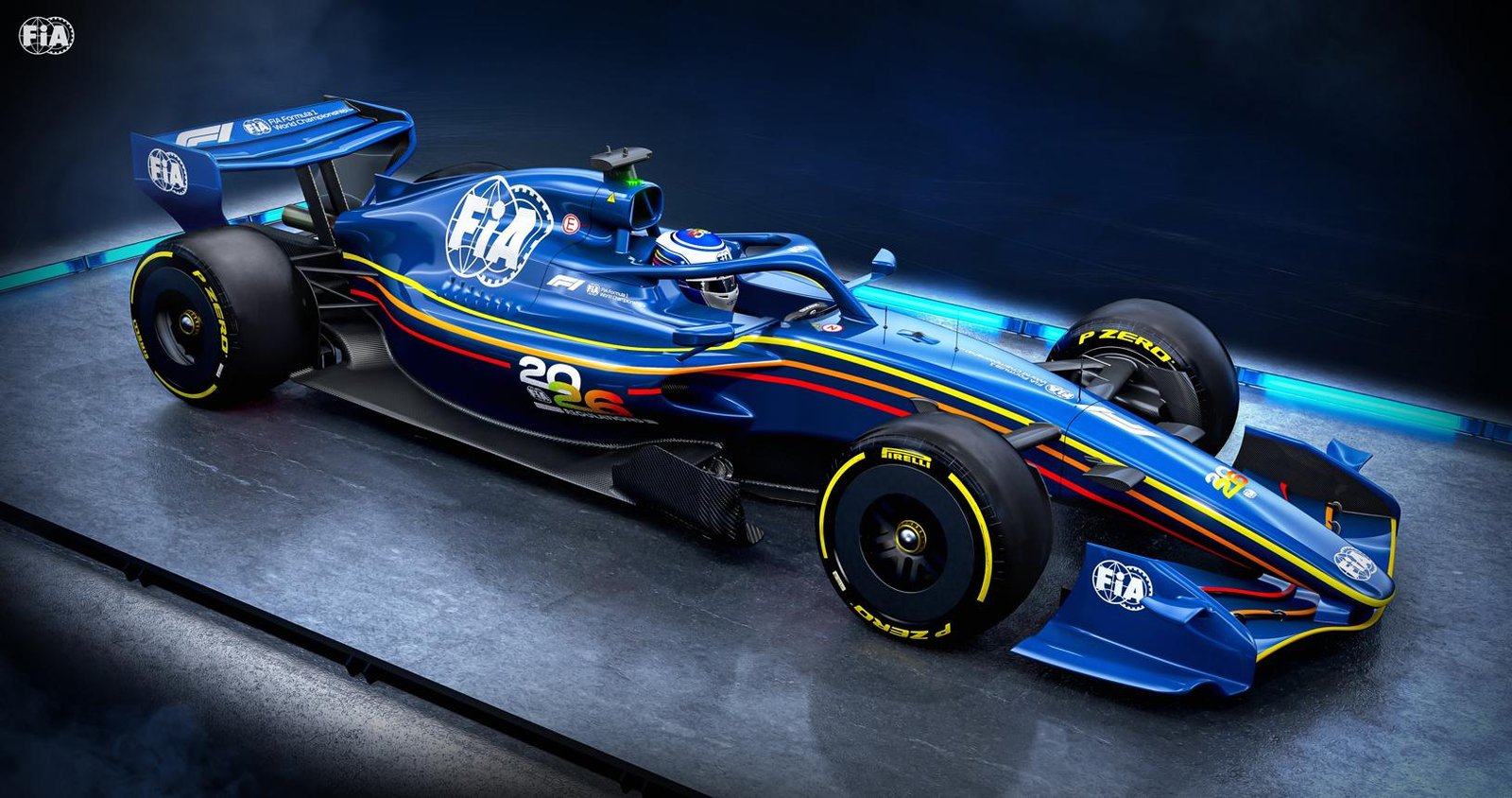
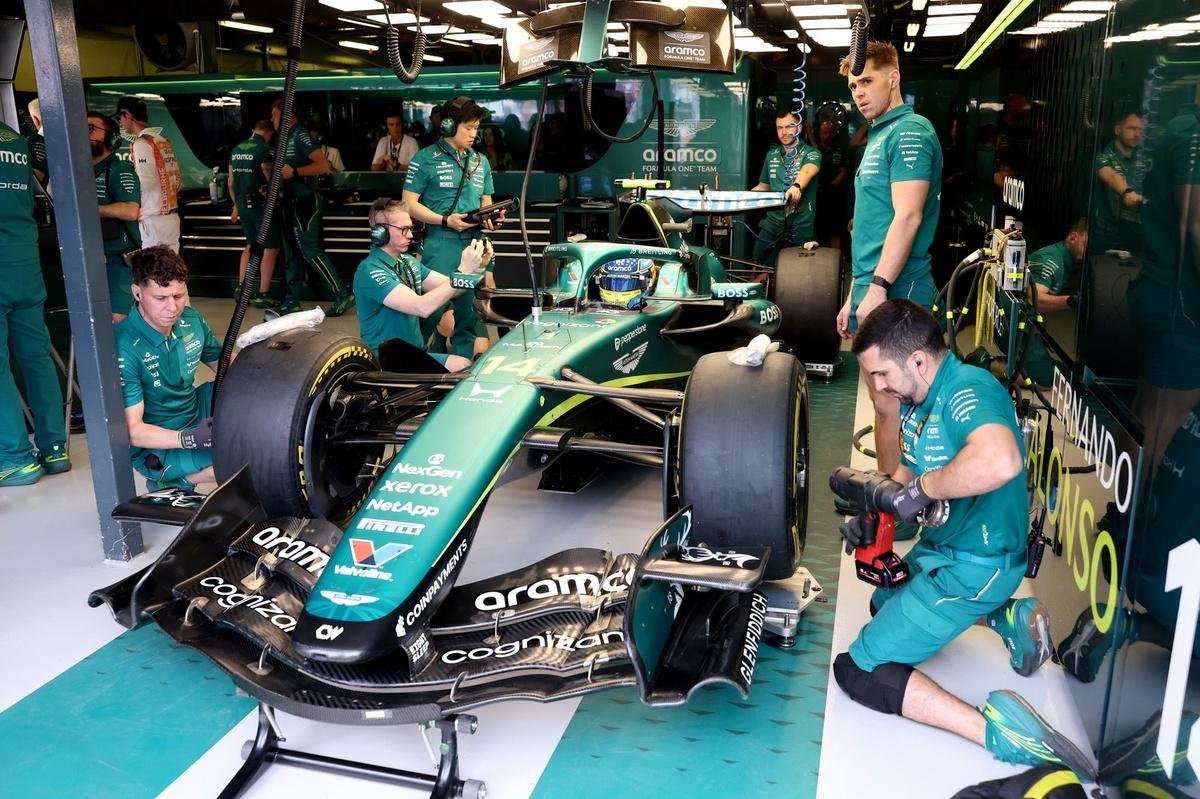
When F1 unveiled its 2026 rulebook, the pitch was simple: lighter cars, active aero, a 50/50 hybrid split, and racing that would finally solve the follow-the-leader problem that had plagued the sport for years. Now that cars have actually turned laps in anger, the reality is messier, more dramatic, and honestly more interesting than the press release ever suggested.
The Numbers Look Like a Home Run
Start with the raw data, because on paper the new rules are working exactly as designed. According to F1’s unofficial statistics database FORIX, overtakes more than doubled at several early rounds compared with the same races in 2025. Australia saw 39 overtakes versus 17 the year before. China jumped from 31 to 71. Japan, traditionally one of the hardest circuits in the world to pass on, nearly tripled its total, climbing from 15 to 43. By any historical measure, that’s a dramatic swing, and it’s given F1 a strong statistical talking point after years of races decided mostly by the run to the first corner.
But Is It Real Racing, or Just a Button?
Here’s where it gets complicated. A lot of those extra overtakes are coming from what drivers have started calling “yo-yo racing”: a driver with a charged battery uses a boost mode to blast past a rival who’s depleted, only to get re-passed a lap later once the energy situation reverses. Esteban Ocon described the experience bluntly, saying it felt painful and artificial, and that he’d overtake a rival only to immediately become vulnerable to being re-passed himself. Sergio Perez used almost identical language after his return to the grid, and Pierre Gasly wasn’t much kinder, though he was also careful to ask for patience while the sample size of races was still small.
Fernando Alonso raised what might be the sharpest version of this criticism: that overtaking now happens almost by accident, when one car simply finds itself with more usable battery than the car ahead, turning a pass into something closer to an evasive maneuver than a deliberate move. Not everyone agrees, though. Lewis Hamilton has praised the racing this new system produces, and George Russell, who won the season opener, pushed back hard on the wave of criticism, arguing that fans spent years complaining races were boring and now that the racing has changed, some of the same voices are complaining regardless. Mercedes team principal Toto Wolff, whose team won the first three races of the season, has defended the rules he helped design, framing the energy management battle itself as a legitimate and exciting form of competition.
A Scary Wake-Up Call at Suzuka
The debate stopped being purely philosophical at the Japanese Grand Prix. During preseason testing, several drivers and engineers had already flagged concerns about the size of the speed differential between a car in full attack mode and one quietly recharging its battery. Those fears became real on lap 21 in Japan, when Oliver Bearman found himself approaching Spoon Corner at roughly 308 km/h on full deployment while Franco Colapinto’s Alpine was traveling dramatically slower in recharge mode just ahead. The resulting impact registered at an estimated 50G. Bearman walked away unhurt, but the incident immediately reopened questions about whether the new power unit rules had been rushed into competition without fully solving a genuine safety problem, with Carlos Sainz publicly criticizing the FIA for not listening more closely to driver warnings raised before the season began.
Then the Season Itself Got Rewritten by a War
As if the on-track debate wasn’t enough, 2026 has also been reshaped by events far outside the paddock. In March, escalating conflict in the Middle East, following U.S. and Israeli strikes on Iran and retaliatory attacks that struck Gulf states including Bahrain and Saudi Arabia, forced F1 to cancel both the Bahrain and Saudi Arabian Grands Prix outright. With no realistic way to reschedule on short notice, F1 confirmed neither race would be replaced, trimming the season from 24 races to 22 and leaving a five-week gap between the Japanese Grand Prix in late March and the Miami Grand Prix in early May.
The uncertainty hasn’t fully resolved either. F1 CEO Stefano Domenicali has confirmed the sport has a contingency plan in case the season-ending Qatar and Abu Dhabi races also become untenable, which would shrink the calendar further, to as few as 20 rounds, unless a replacement venue like Portimão steps in. It’s an unusual position for a sport that spent the last several years expanding aggressively: instead of adding races, F1 has spent 2026 trying to figure out how many of its planned races it can actually hold.
Where Things Stand Heading Into the Rest of 2026
- The overtaking increase is real, but the sample size is still small. A handful of races isn’t enough to know whether the trend holds at circuits less suited to close racing than Shanghai or Suzuka.
- The “artificial vs. genuine” debate isn’t going away. Drivers remain split roughly along competitive lines, with those running well towards the front of the field generally more forgiving of the new energy rules than those still finding their footing.
- Safety remains an open question after Bearman’s crash. Expect continued pressure on the FIA to address the speed differential between deploying and recharging cars, even though wholesale changes to the power unit split are considered off the table for this season.
- The calendar itself is not fully settled. Whether the season finishes at 20, 21, or 22 races may not be decided until close to the back half of the year, depending on how the situation in the Middle East develops.
- Verstappen’s frustration is a storyline of its own. Reports have suggested the four-time champion is weighing his long-term future in the sport, adding a layer of driver-market uncertainty on top of everything else.
The Bottom Line
F1’s 2026 rules delivered exactly the kind of dramatic, headline-grabbing overhaul the sport promised, just not in the tidy, one-dimensional way anyone expected. The racing is measurably closer by the numbers, genuinely divisive among the people driving the cars, and now unfolding against a backdrop of real-world disruption that has nothing to do with aerodynamics or battery management at all. Whether history remembers 2026 as the year F1 finally solved its racing problem or the year it traded one set of complaints for another will likely take a full season, not three or four races, to answer.
#F1 #Formula1 #F12026 #racecarnews #motorsport