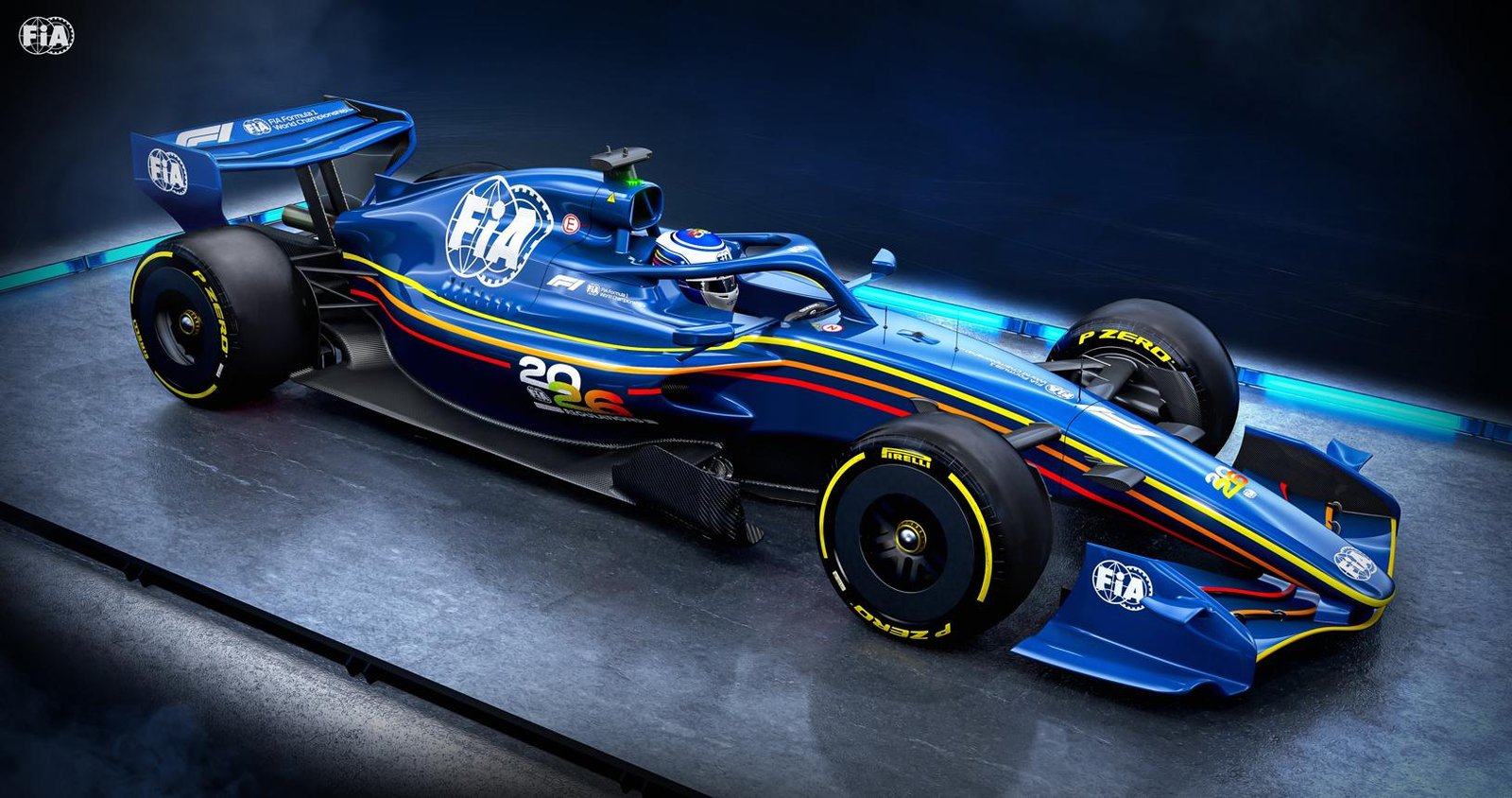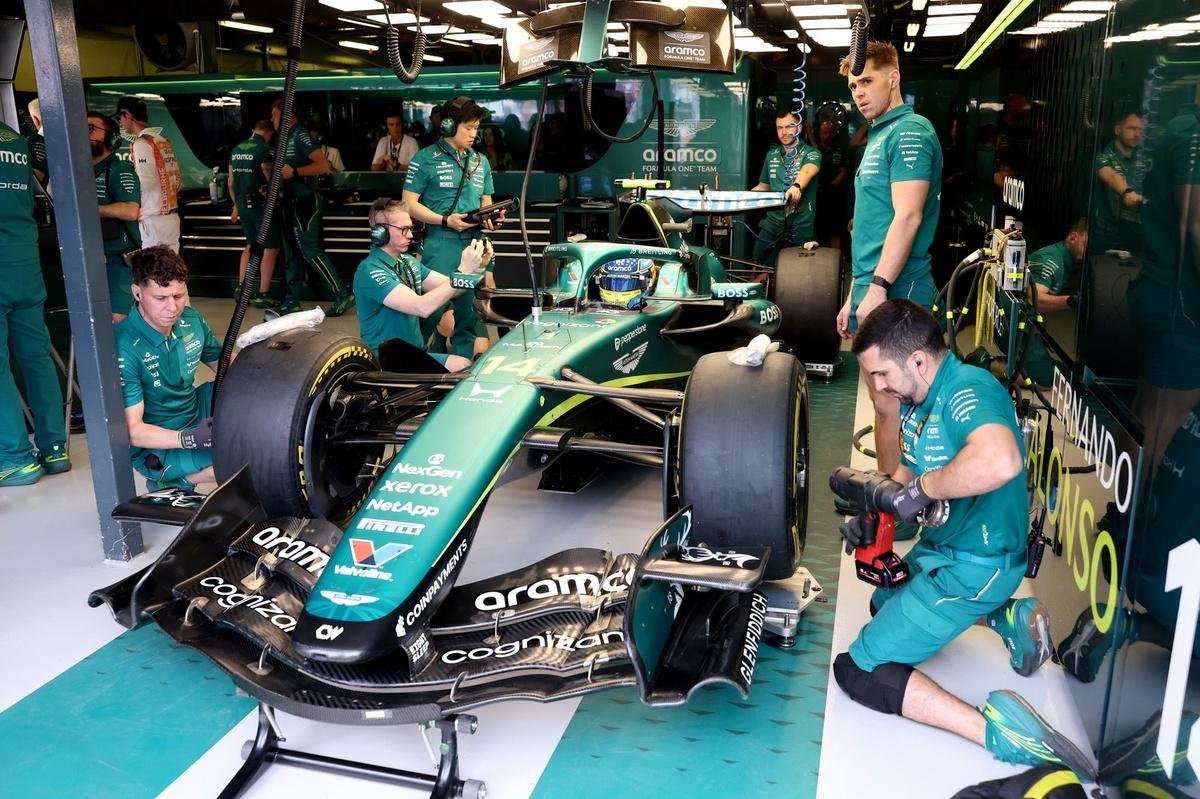
Most rule changes in Formula 1 happen once a year, announced in the off-season and left alone until the next winter. Not in 2026. The FIA has now amended its brand-new rulebook at least four separate times since the season began, and the most recent round doesn’t just tweak this year’s cars, it starts quietly rewriting next year’s too.
A Rulebook That Hasn’t Stopped Moving
When F1 unveiled its most dramatic regulation overhaul in decades back in 2024, the framing was that this was the finished product: a multi-year technical package the sport had spent years negotiating with manufacturers. In practice, 2026 has turned into a season-long beta test, with the FIA treating the rulebook as something to actively manage race by race rather than a fixed document. Here’s how that’s played out so far.
Round One: Fixing the Compression Ratio Before the Season Even Started
The first amendment landed before a single points-paying lap had been driven. Following pre-season testing in Barcelona and Bahrain, manufacturers flagged a problem with the engine’s compression ratio — one of the specific technical targets the FIA had built into the 2026 rules specifically to attract new power unit suppliers to the sport. The compromise the FIA landed on: compression ratio would be controlled in both hot and cold conditions starting June 1, 2026, before settling into being measured only in normal operating conditions from 2027 onward. It was a small, technical fix, but it set the tone for what was coming: this rulebook was going to be adjusted in real time.
Round Two: The Miami Package
The changes most fans already know about arrived ahead of the Miami Grand Prix, built on data from the season’s first three races. The headline items included capping the extra “Boost” power available in races and adjusting where on track the MGU-K electric motor could deploy its full output. But the details went further than that. Qualifying harvesting was cut from 8 megajoules to 7, with the FIA reserving the right to set it even lower at 12 specific circuits on the calendar — a change aimed squarely at reducing the amount of “lift-and-coast” and “super clipping” drivers were using just to recharge the battery. Super clipping duration itself was targeted for a reduction to roughly 2 to 4 seconds per lap, building on a one-off version of the same fix the FIA had already trialled at Suzuka, where super clipping time dropped from 10 seconds to 6. From Miami onward, that experimental fix became a permanent structural rule. The FIA also began testing a low-power start detection system designed to catch cars with abnormally weak acceleration off the line and automatically correct it, addressing race-start safety concerns some teams had raised. Mercedes boss Toto Wolff, whose team has dominated the season so far, summed up the mood in the paddock at the time: these adjustments needed to be made with “a scalpel, not a baseball bat.”
Round Three: The FIA Says the Fixes Worked, Then Starts Rewriting 2027
By the time the paddock reached Austria in May, the FIA had already reviewed how the Miami changes performed and reported back that they’d identified no material safety issues and considered the racing genuinely improved. That review meeting didn’t just rubber-stamp the status quo, though. Team principals, F1 management, and all five power unit manufacturers agreed in principle to a much bigger shift for 2027: moving the sport’s power unit split away from the roughly 50/50 internal combustion-to-electric ratio that defined the entire 2026 rules package, toward a 60/40 split favoring the combustion engine by 2028. The proposed changes include a nominal 50kW increase in internal combustion engine output, a bump in fuel flow, and a corresponding roughly 50kW reduction in electric deployment power. In plain terms, one year after F1 built its whole 2026 identity around a heavier electric emphasis, it’s already engineering its way back toward the combustion engine — a quiet acknowledgment that the balance may have swung further than drivers or fans wanted.
Round Four: Formal Sign-Off at the Macau Meeting
The most recent round of changes came at a World Motor Sport Council meeting in Macau, where the FIA formally ratified several more adjustments. For safety in wet or low-grip conditions, boost mode has been reintroduced, but with an important limit: it can only be used to stop a car’s power from dropping, not to increase it beyond normal levels, and Overtake Mode is disabled entirely in those conditions. The council also adjusted how heat hazard declarations are timed relative to Sprint and Grand Prix sessions. And on the 2027 front, the WMSC formally passed the “first issue” of next year’s technical regulations, confirming the shift toward a 60:40 power split by 2028 and extending pre-season testing from three days to four, giving teams more track time to adapt to yet another moving target.
Why This Matters
- The FIA is now treating the 2026 rulebook as a living document rather than a finished product, with four distinct rounds of amendments since pre-season testing alone.
- Every single round of changes so far has centered on energy management — harvesting limits, deployment zones, and now the fundamental combustion-to-electric power ratio itself.
- The move toward a 60:40 split for 2027 is a meaningful partial course-correction on the defining feature of the 2026 regulations, coming just months after the season began.
- Weather-specific rules, like boost mode’s limited reintroduction in the wet, show the FIA is willing to write increasingly situational regulations rather than one-size-fits-all rules.
- None of this is finished. The FIA has explicitly said further technical group discussions are still required before the final 2027 package is locked in.
What to Watch for the Rest of 2026
- Whether any of the 12 circuits with lower harvesting limits produce noticeably different racing than the rest of the calendar.
- Whether the announced shift back toward combustion power for 2027 quiets driver criticism before it even takes effect, given how vocal some drivers have already been about the current energy rules.
- Whether the FIA makes a fifth round of in-season adjustments if new issues emerge at circuits later in the calendar.
- How power unit manufacturers — some of whom only joined F1 specifically because of the current 50/50 emphasis — respond to a rulebook that’s already moving away from the pitch that brought them in.
The Bottom Line
F1 didn’t just tweak its rules once this year and move on. The FIA has now amended the 2026 regulations four separate times before the season is even finished, and the most recent round already reaches into 2027, walking back part of the philosophy the entire regulation overhaul was built on. For a rulebook that took years to design, it’s being rewritten remarkably fast, and there’s no indication the FIA is done adjusting yet.
#F1 #FIA #F12026rules #motorsportnews #F12027